Conversation


|
Note Gemini is unable to generate a summary for this pull request due to the file types involved not being currently supported. |

Reviewer's guide (collapsed on small PRs)Reviewer's GuideExtends the CI test job to run across Ubuntu, macOS, and Windows, switches package installation from editable to standard installs, and updates test artifact naming and Sonar coverage download to incorporate the OS dimension. Flow diagram for updated CI tests job per matrix entryflowchart TD
A["Start tests job (for one matrix.os and matrix.python-version)"] --> B["Checkout repo (actions/checkout@v4)"]
B --> C["Setup Python (actions/setup-python@v5)
version = matrix.python-version"]
C --> D["Upgrade pip"]
D --> E["Install dependencies
pip install -r requirements.txt
pip install -r requirements-dev.txt"]
E --> F["Install package
pip install ."]
F --> G["Run pytest
--junitxml=test-results-${{ matrix.os }}-${{ matrix.python-version }}.xml
--cov=src --cov-report=xml
NUMBA_DISABLE_JIT=1"]
G --> H["Upload artifacts (actions/upload-artifact@v4)
name: test-results-${{ matrix.os }}-${{ matrix.python-version }}
files: JUnit XML + coverage.xml"]
H --> I["Job end (for this OS/Python combination)"]
File-Level Changes
Tips and commandsInteracting with Sourcery
Customizing Your ExperienceAccess your dashboard to:
Getting Help
|

|
Warning Rate limit exceeded@jmrplens has exceeded the limit for the number of commits that can be reviewed per hour. Please wait 7 minutes and 59 seconds before requesting another review. ⌛ How to resolve this issue?After the wait time has elapsed, a review can be triggered using the We recommend that you space out your commits to avoid hitting the rate limit. 🚦 How do rate limits work?CodeRabbit enforces hourly rate limits for each developer per organization. Our paid plans have higher rate limits than the trial, open-source and free plans. In all cases, we re-allow further reviews after a brief timeout. Please see our FAQ for further information. 📒 Files selected for processing (2)
📝 WalkthroughWalkthroughThe GitHub Actions workflow now runs tests across multiple operating systems (Ubuntu, macOS, Windows) using a matrix strategy. Dependency installation method changed from editable to standard mode, and artifact naming was updated to include the OS variant for better result tracking across platforms. Changes
Estimated code review effort🎯 2 (Simple) | ⏱️ ~8 minutes Poem
🚥 Pre-merge checks | ✅ 3✅ Passed checks (3 passed)
✏️ Tip: You can configure your own custom pre-merge checks in the settings. ✨ Finishing touches🧪 Generate unit tests (beta)
Thanks for using CodeRabbit! It's free for OSS, and your support helps us grow. If you like it, consider giving us a shout-out. Comment |


PR Compliance Guide 🔍Below is a summary of compliance checks for this PR:
Compliance status legend🟢 - Fully Compliant🟡 - Partial Compliant 🔴 - Not Compliant ⚪ - Requires Further Human Verification 🏷️ - Compliance label |
|||||||||||||||||||||||
![sourcery-ai[bot]](https://avatars.githubusercontent.com/in/48477?s=60&v=4)

There was a problem hiding this comment.
Hey - I've found 2 issues, and left some high level feedback:
- The SonarCloud job still downloads only the
test-results-ubuntu-latest-3.13artifact; if coverage from other OS/Python combinations is intended to be included, consider aggregating or clarifying why only that one is used. - Switching from
pip install -e .topip install .changes the build/installation path (e.g., requiring a wheel build); if editable installs are still needed for local dev, you might want to keep them in a separate job or document the distinction in the workflow.
Prompt for AI Agents
Please address the comments from this code review:

## Overall Comments
- The SonarCloud job still downloads only the `test-results-ubuntu-latest-3.13` artifact; if coverage from other OS/Python combinations is intended to be included, consider aggregating or clarifying why only that one is used.
- Switching from `pip install -e .` to `pip install .` changes the build/installation path (e.g., requiring a wheel build); if editable installs are still needed for local dev, you might want to keep them in a separate job or document the distinction in the workflow.

## Individual Comments

### Comment 1
<location> `.github/workflows/python-app.yml:65-72` </location>
<code_context>
         NUMBA_DISABLE_JIT: 1
       run: |
-        pytest --junitxml=test-results-${{ matrix.python-version }}.xml --cov=src --cov-report=xml
+        pytest --junitxml=test-results-${{ matrix.os }}-${{ matrix.python-version }}.xml --cov=src --cov-report=xml
     - name: Upload Test Results
       uses: actions/upload-artifact@v4
       with:
-        name: test-results-${{ matrix.python-version }}
+        name: test-results-${{ matrix.os }}-${{ matrix.python-version }}
         path: |
-          test-results-${{ matrix.python-version }}.xml
</code_context>

<issue_to_address>
**suggestion (testing):** Consider aligning coverage artifact usage with the Sonar coverage job to avoid producing unused coverage artifacts for non-ubuntu runners.

With the new matrix, every (os, python-version) now uploads JUnit + `coverage.xml`, but the coverage job still only downloads `test-results-ubuntu-latest-3.13`. So coverage from other environments is never used. Either stop uploading `coverage.xml` for non-`ubuntu-latest`/3.13 runs, or update the coverage job to intentionally aggregate coverage from multiple artifacts.

```suggestion
    - name: Upload Test Results
      uses: actions/upload-artifact@v4
      with:
        name: test-results-${{ matrix.os }}-${{ matrix.python-version }}
        path: |
          test-results-${{ matrix.os }}-${{ matrix.python-version }}.xml
      if: always()

    - name: Upload Coverage Report (ubuntu-latest, Python 3.13 only)
      uses: actions/upload-artifact@v4
      with:
        name: test-results-${{ matrix.os }}-${{ matrix.python-version }}
        path: |
          coverage.xml
      if: always() && matrix.os == 'ubuntu-latest' && matrix.python-version == '3.13'
```
</issue_to_address>

### Comment 2
<location> `.github/workflows/python-app.yml:56-58` </location>
<code_context>
         python -m pip install --upgrade pip
         pip install -r requirements.txt
         pip install -r requirements-dev.txt
-        pip install -e .
+        pip install .
</code_context>

<issue_to_address>
**suggestion (bug_risk):** Use `python -m pip` consistently instead of bare `pip` for better cross-platform reliability, especially now that Windows is in the matrix.

On Windows runners, `pip` may not point to the same interpreter configured by `setup-python`, depending on PATH and installation details. Using `python -m pip install ...` in these steps will ensure the packages are installed with the intended Python across all OSes in the matrix.

Suggested implementation:

```
        python -m pip install -r requirements.txt

```

```
        python -m pip install -r requirements-dev.txt

```

```
        python -m pip install .

```
</issue_to_address>Help me be more useful! Please click 👍 or 👎 on each comment and I'll use the feedback to improve your reviews.
| - name: Upload Test Results | ||
| uses: actions/upload-artifact@v4 | ||
| with: | ||
| name: test-results-${{ matrix.python-version }} | ||
| name: test-results-${{ matrix.os }}-${{ matrix.python-version }} | ||
| path: | | ||
| test-results-${{ matrix.python-version }}.xml | ||
| test-results-${{ matrix.os }}-${{ matrix.python-version }}.xml | ||
| coverage.xml | ||
| if: always() |
There was a problem hiding this comment.
suggestion (testing): Consider aligning coverage artifact usage with the Sonar coverage job to avoid producing unused coverage artifacts for non-ubuntu runners.
With the new matrix, every (os, python-version) now uploads JUnit + coverage.xml, but the coverage job still only downloads test-results-ubuntu-latest-3.13. So coverage from other environments is never used. Either stop uploading coverage.xml for non-ubuntu-latest/3.13 runs, or update the coverage job to intentionally aggregate coverage from multiple artifacts.
| - name: Upload Test Results | |
| uses: actions/upload-artifact@v4 | |
| with: | |
| name: test-results-${{ matrix.python-version }} | |
| name: test-results-${{ matrix.os }}-${{ matrix.python-version }} | |
| path: | | |
| test-results-${{ matrix.python-version }}.xml | |
| test-results-${{ matrix.os }}-${{ matrix.python-version }}.xml | |
| coverage.xml | |
| if: always() | |
| - name: Upload Test Results | |
| uses: actions/upload-artifact@v4 | |
| with: | |
| name: test-results-${{ matrix.os }}-${{ matrix.python-version }} | |
| path: | | |
| test-results-${{ matrix.os }}-${{ matrix.python-version }}.xml | |
| if: always() | |
| - name: Upload Coverage Report (ubuntu-latest, Python 3.13 only) | |
| uses: actions/upload-artifact@v4 | |
| with: | |
| name: test-results-${{ matrix.os }}-${{ matrix.python-version }} | |
| path: | | |
| coverage.xml | |
| if: always() && matrix.os == 'ubuntu-latest' && matrix.python-version == '3.13' |
| python -m pip install --upgrade pip | ||
| pip install -r requirements.txt | ||
| pip install -r requirements-dev.txt |
There was a problem hiding this comment.
suggestion (bug_risk): Use python -m pip consistently instead of bare pip for better cross-platform reliability, especially now that Windows is in the matrix.
On Windows runners, pip may not point to the same interpreter configured by setup-python, depending on PATH and installation details. Using python -m pip install ... in these steps will ensure the packages are installed with the intended Python across all OSes in the matrix.
Suggested implementation:
python -m pip install -r requirements.txt
python -m pip install -r requirements-dev.txt
python -m pip install .
PR Code Suggestions ✨Explore these optional code suggestions:
|
|||||||||

CI Results 🚀Test Summary
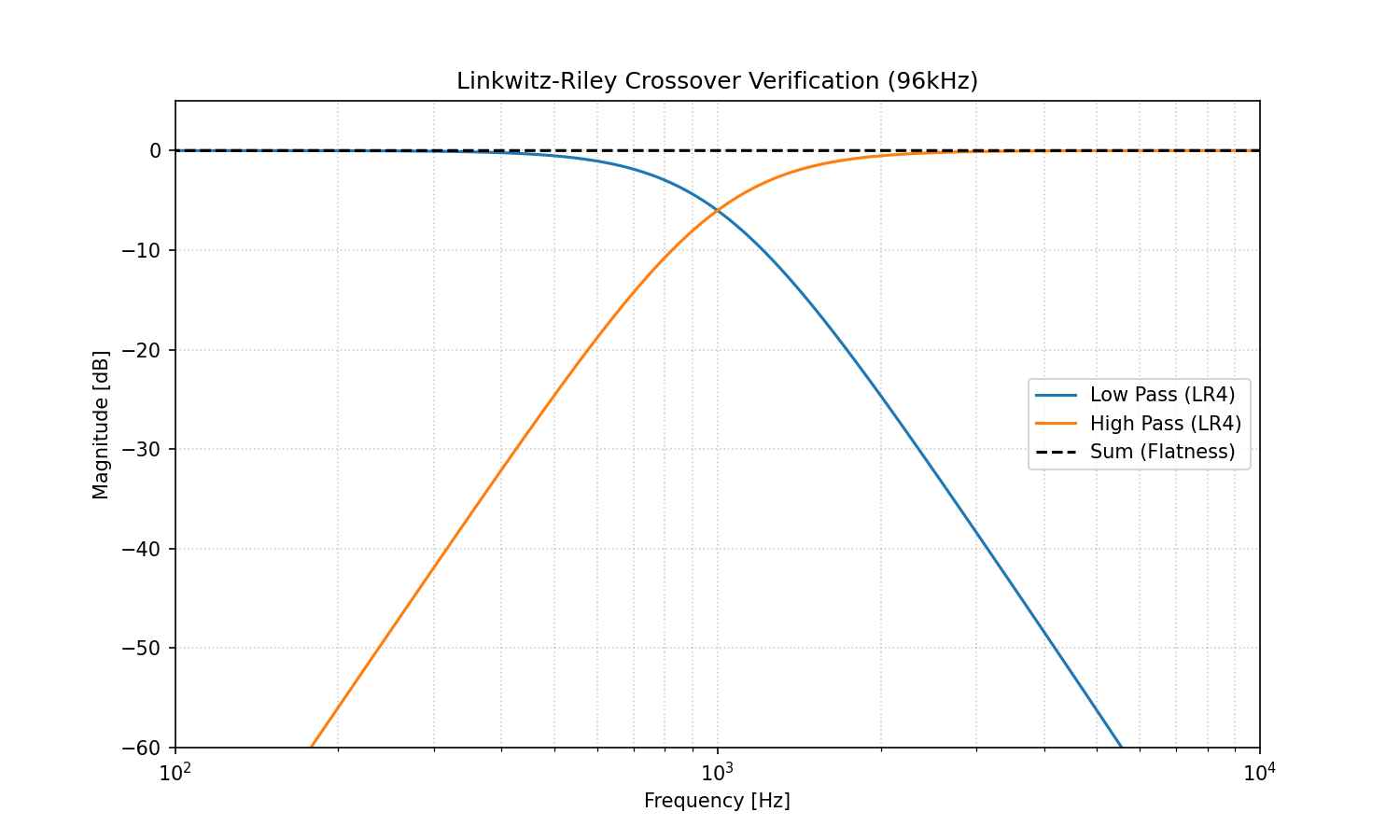
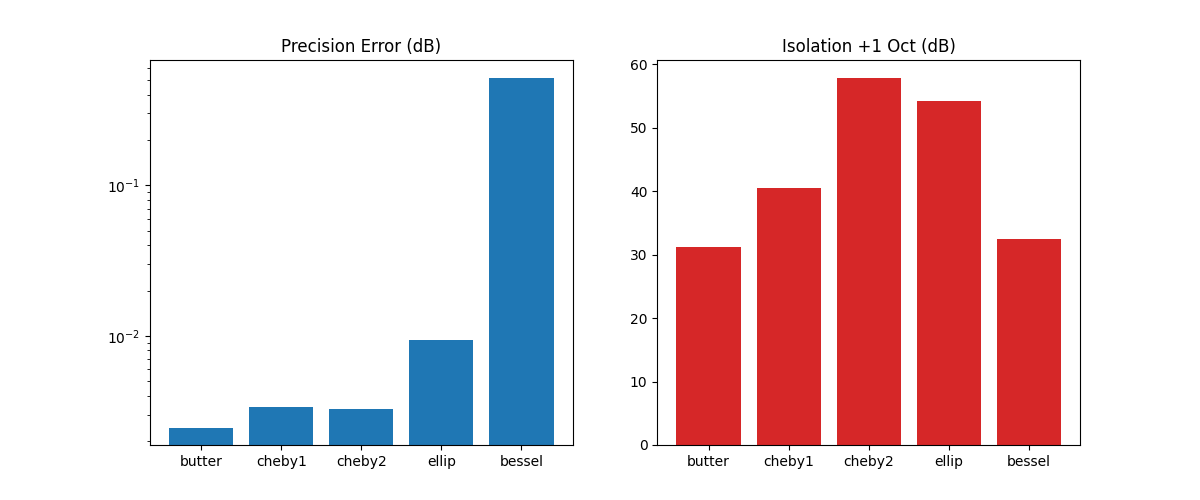
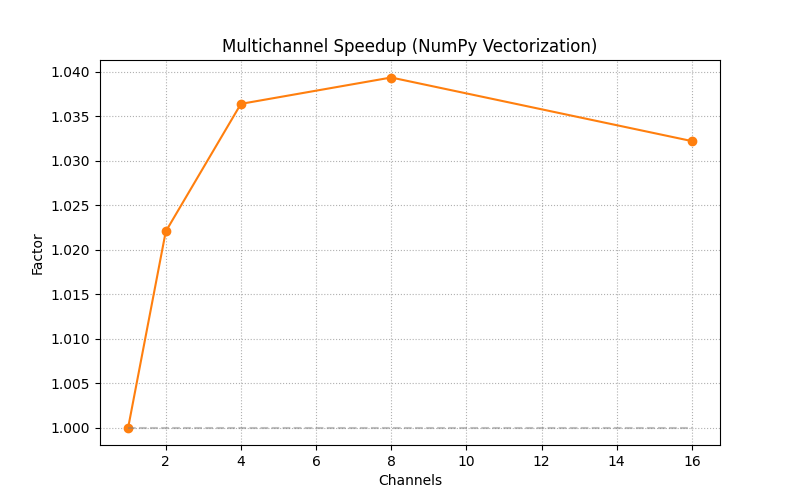
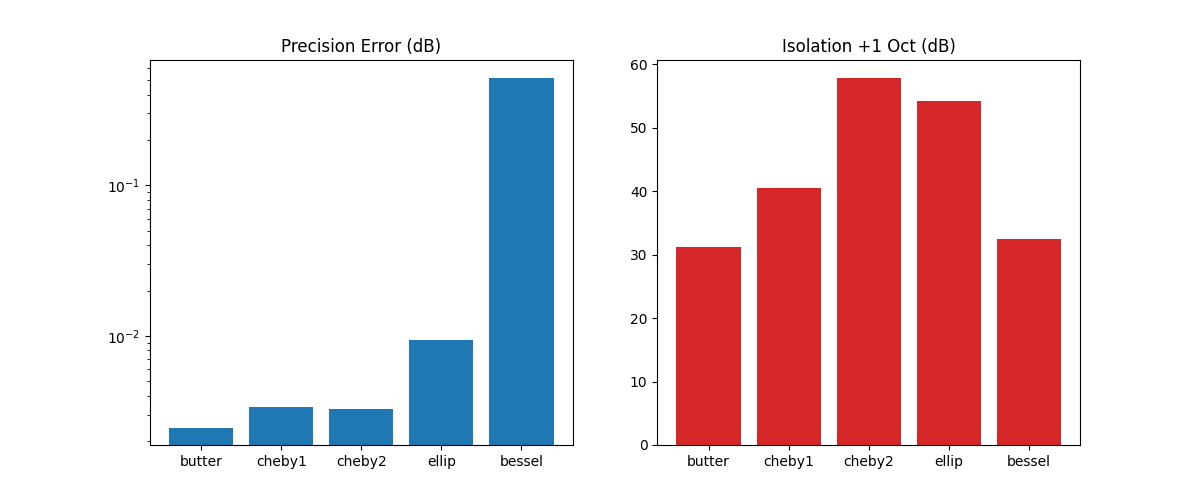
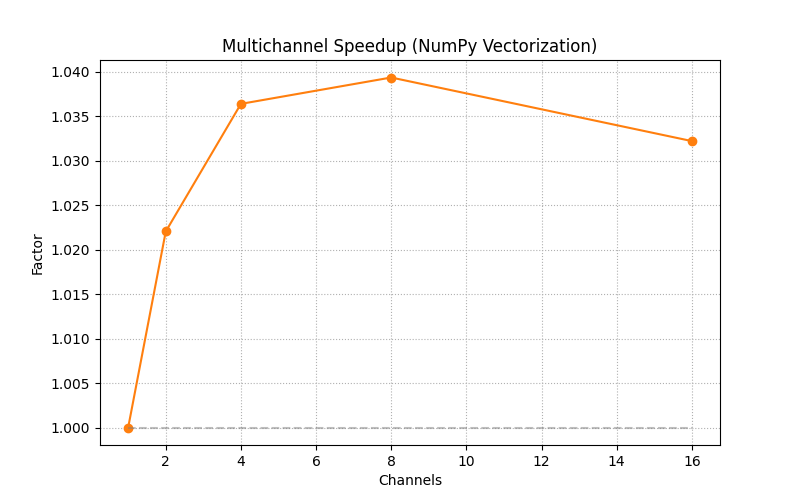
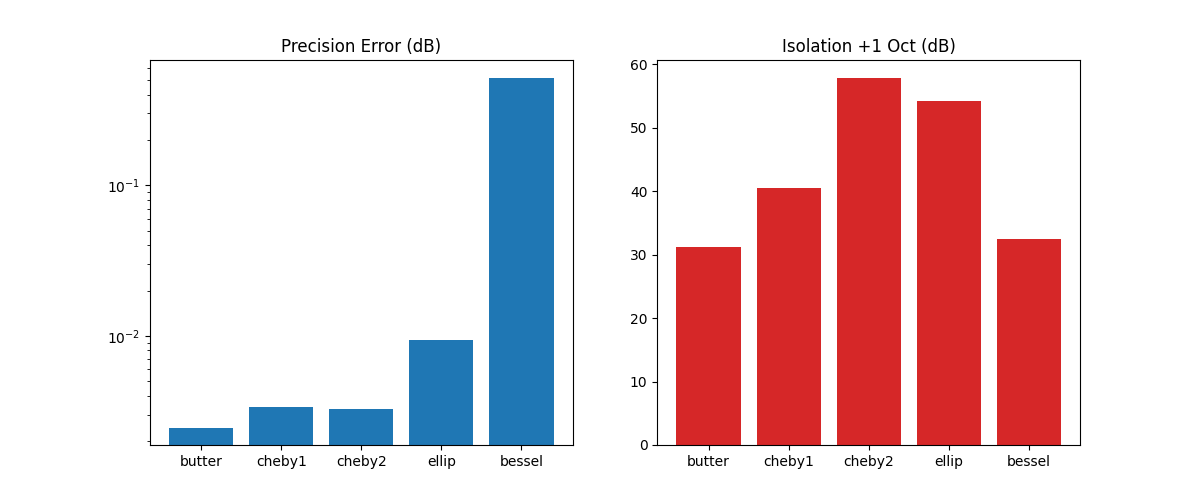
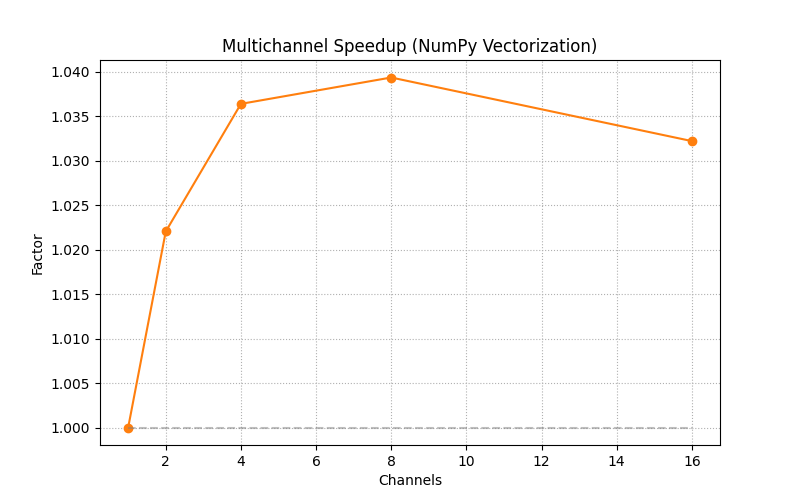
Technical Benchmark Summary📊 View Benchmark DetailsPyOctaveBand: Technical Benchmark ReportGenerated: 2026-01-12 16:42:21 1. Test Signal Parameters
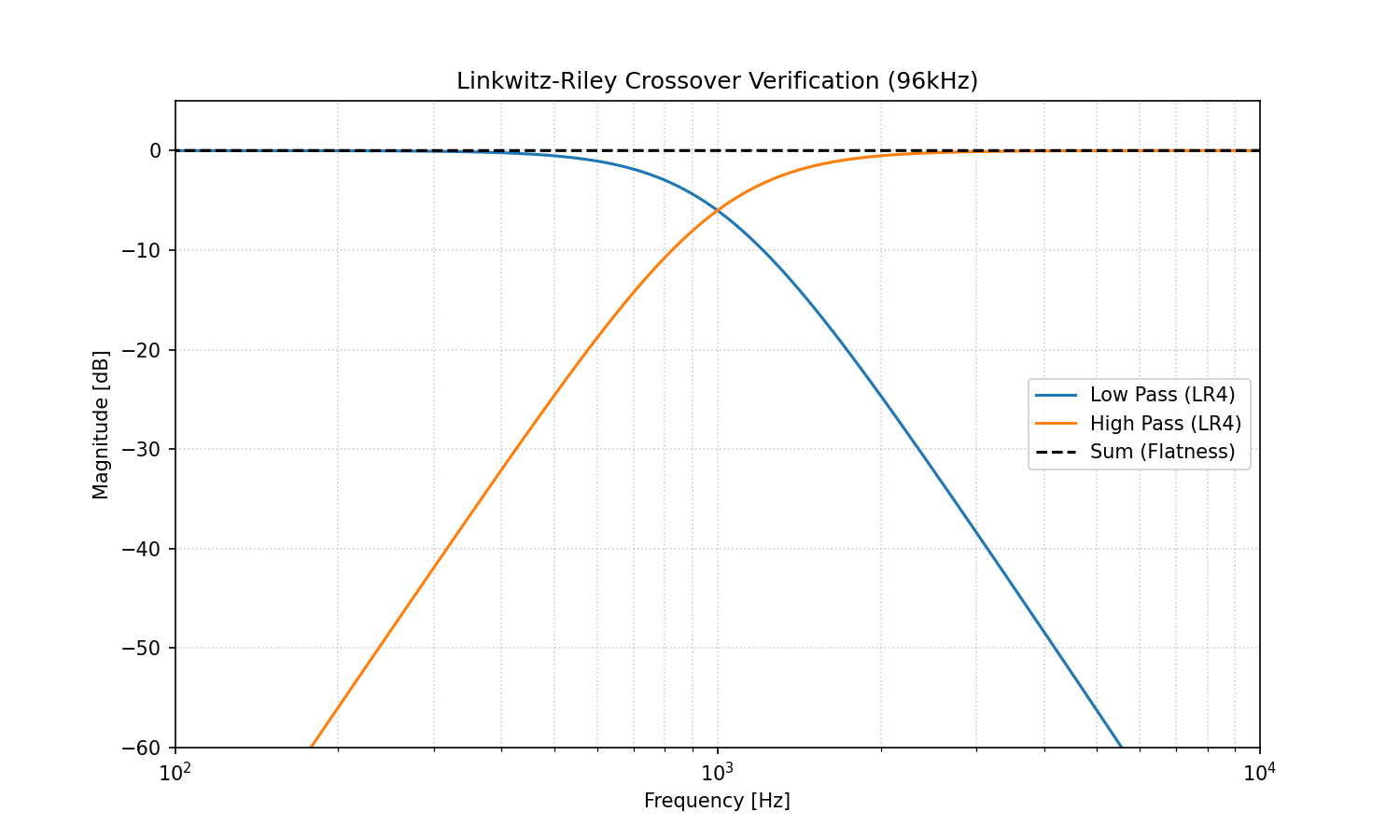
2. Crossover (Linkwitz-Riley)
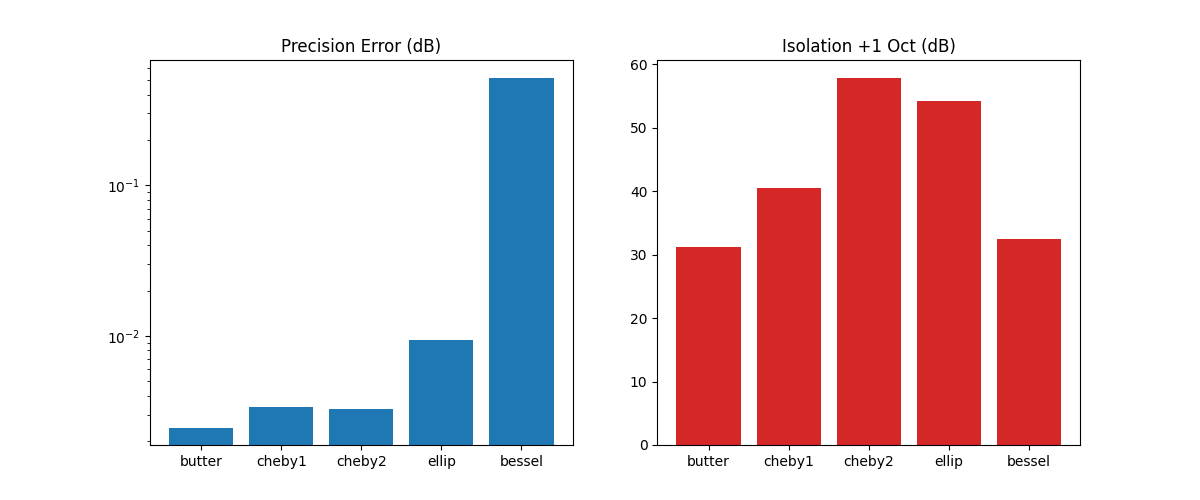
3. Precision & Isolation
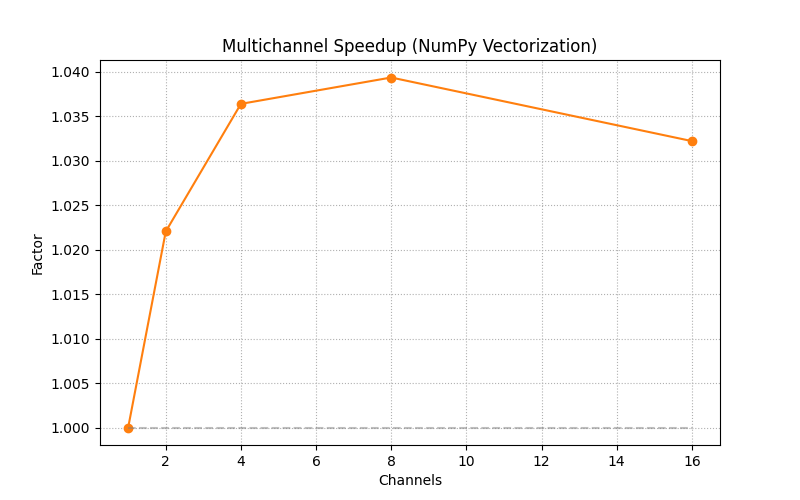
4. Performance
|
CI Results 🚀Test Summary
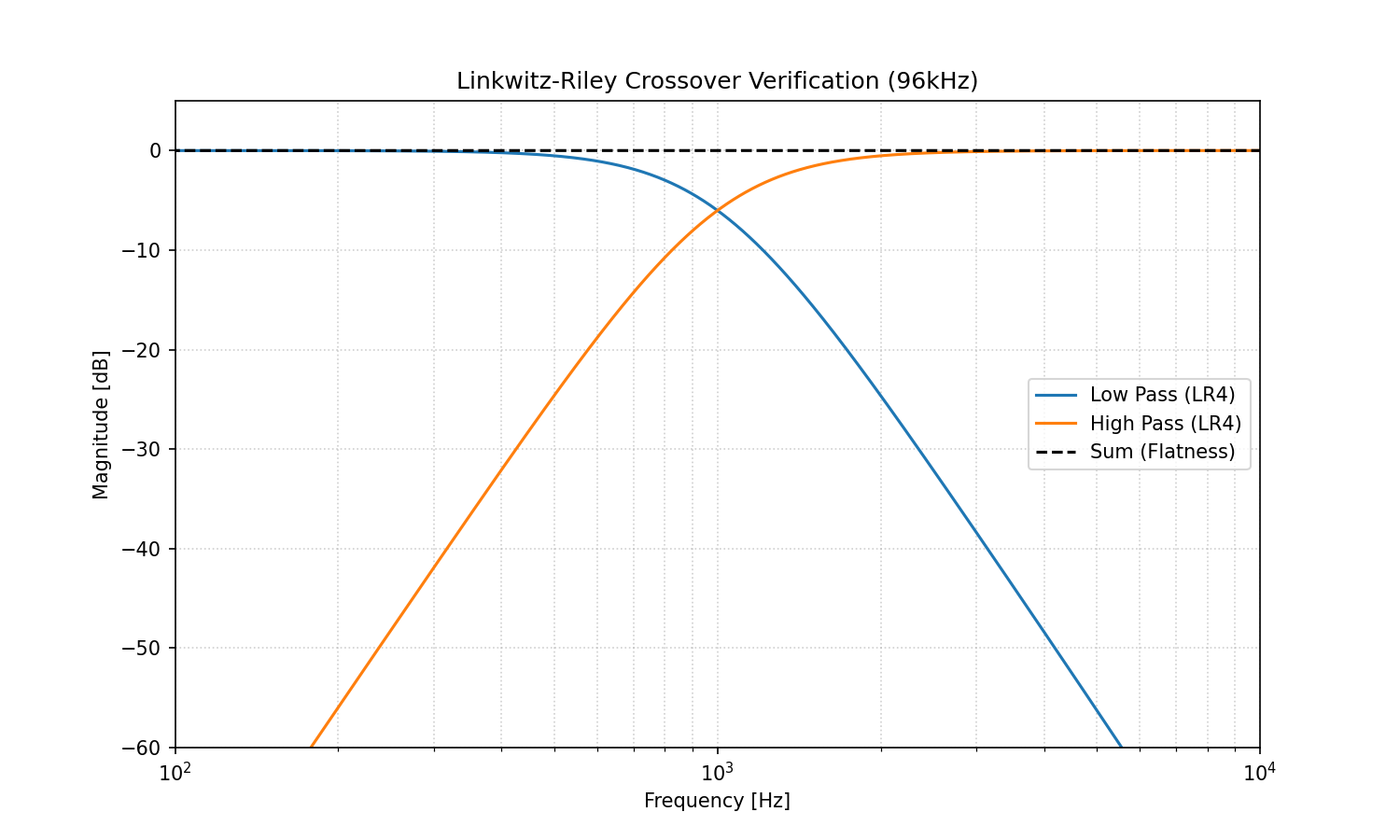
Technical Benchmark Summary📊 View Benchmark DetailsPyOctaveBand: Technical Benchmark ReportGenerated: 2026-01-12 16:46:46 1. Test Signal Parameters
2. Crossover (Linkwitz-Riley)
3. Precision & Isolation
4. Performance
|
![github-advanced-security[bot]](https://avatars.githubusercontent.com/in/57789?s=60&v=4)
| runs-on: ${{ matrix.os }} | ||
| strategy: | ||
| matrix: | ||
| os: [ubuntu-latest, macos-latest, windows-latest] | ||
| python-version: ["3.13"] | ||
| steps: | ||
| - name: Set up Python ${{ matrix.python-version }} | ||
| uses: actions/setup-python@v5 | ||
| with: | ||
| python-version: ${{ matrix.python-version }} | ||
|
|
||
| - name: Install PyOctaveBand | ||
| run: | | ||
| python -m pip install --upgrade pip | ||
| if [ -z "${{ inputs.version }}" ]; then | ||
| pip install pyoctaveband | ||
| else | ||
| pip install pyoctaveband==${{ inputs.version }} | ||
| fi | ||
| shell: bash | ||
|
|
||
| - name: Verify Import | ||
| run: python -c "import pyoctaveband; print('Successfully imported pyoctaveband version:', pyoctaveband.__version__)" |
Check warning
Code scanning / CodeQL
Workflow does not contain permissions Medium
Show autofix suggestion
Hide autofix suggestion
Copilot Autofix
AI about 2 months ago
In general, fix this by explicitly specifying a permissions block, either at the workflow root (applies to all jobs) or at the individual job level, granting only what is necessary. For this workflow, the job only installs and imports a Python package and does not require write access to repository contents, issues, or pull requests, so contents: read is a safe minimal scope. If even repository contents are not needed, this is still the standard minimum GitHub recommends for most workflows.
The single best fix with minimal behavior change is to add a workflow-level permissions block after the name: declaration and before on: in .github/workflows/manual_verify_install.yml, setting contents: read. This will apply to the verify-pypi-install job without altering any steps or behavior; it only restricts the default GITHUB_TOKEN scope. No new imports, actions, or steps are required.
Concretely:
-
Edit
.github/workflows/manual_verify_install.yml. -
Insert:
permissions:
  contents: read
after line 1 (
name: Manual Verify Installation) and before theon:block. -
No other files or lines need to change.
| @@ -1,5 +1,8 @@ | ||
| name: Manual Verify Installation | ||
|
|
||
| permissions: | ||
| contents: read | ||
|
|
||
| on: | ||
| workflow_dispatch: | ||
| inputs: |

CI Results 🚀Test Summary
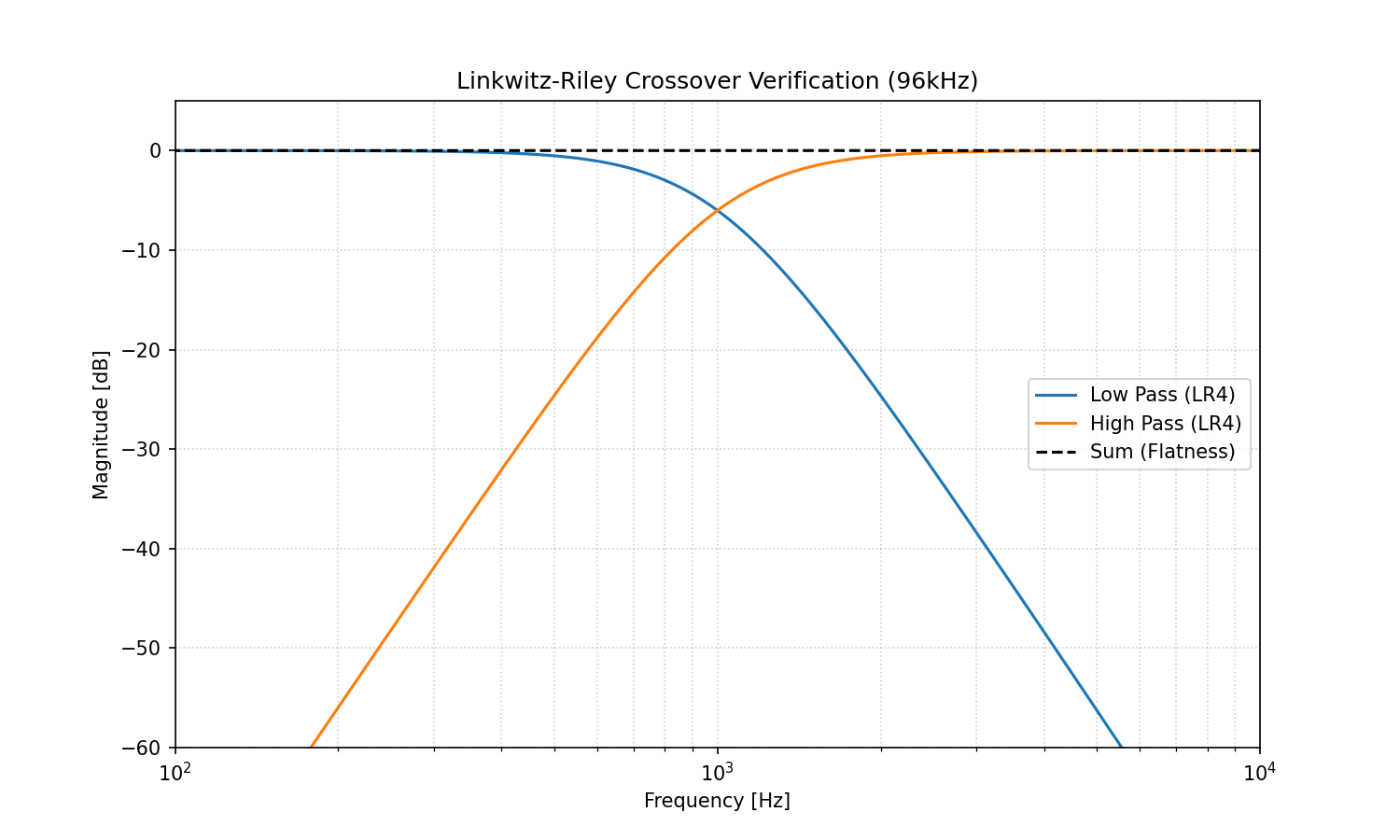
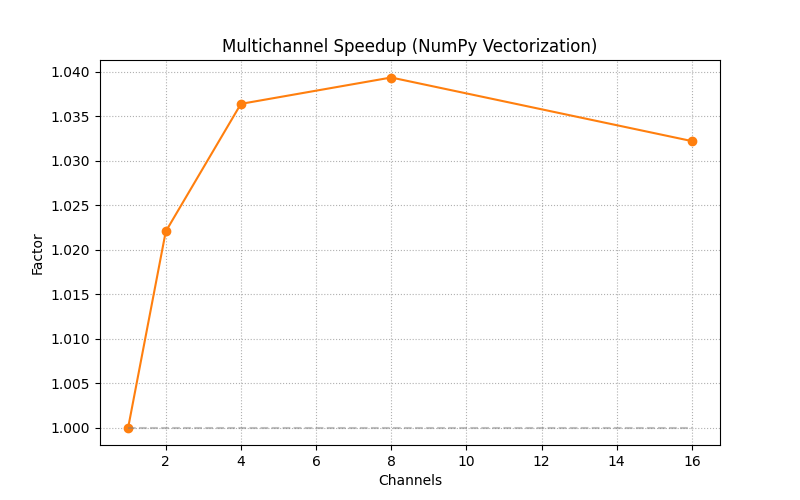
Technical Benchmark Summary📊 View Benchmark DetailsPyOctaveBand: Technical Benchmark ReportGenerated: 2026-01-12 16:51:40 1. Test Signal Parameters
2. Crossover (Linkwitz-Riley)
3. Precision & Isolation
4. Performance
|


|
Please retry analysis of this Pull-Request directly on SonarQube Cloud |
|


CI Results 🚀Test Summary
Technical Benchmark Summary📊 View Benchmark DetailsPyOctaveBand: Technical Benchmark ReportGenerated: 2026-01-12 16:52:47 1. Test Signal Parameters
2. Crossover (Linkwitz-Riley)
3. Precision & Isolation
4. Performance
|
CI Results 🚀Test Summary
Technical Benchmark Summary📊 View Benchmark DetailsPyOctaveBand: Technical Benchmark ReportGenerated: 2026-01-12 16:52:47 1. Test Signal Parameters
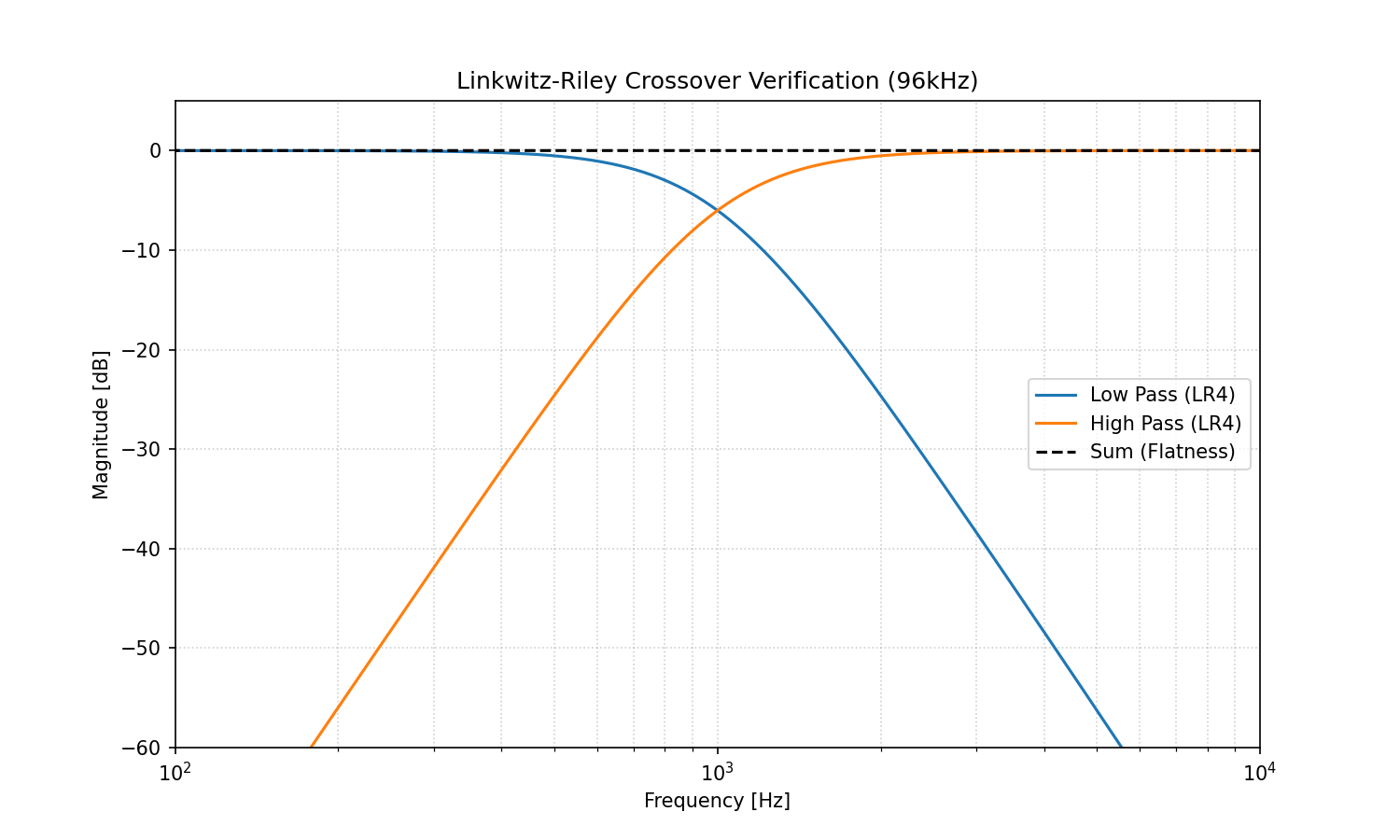
2. Crossover (Linkwitz-Riley)
3. Precision & Isolation
4. Performance
|
1 participant

User description
This PR updates the CI workflow to include macOS and Windows in the test matrix.
It also changes the installation method from editable (
-e .) to standard (.) to verify proper package installation.This will help diagnose potential issues on macOS and ensure cross-platform compatibility.
PR Type
Enhancement
Description
Expand test matrix to include macOS and Windows platforms
Change package installation from editable to standard mode
Add fail-fast: false to allow all matrix combinations to run
Update artifact naming to include OS in test result filenames
Diagram Walkthrough
File Walkthrough
python-app.yml
Expand CI to multi-platform testing with standard installation.github/workflows/python-app.yml
windows-latest
complete
differentiation
of 3.13
Summary by CodeRabbit
Tests
Chores
✏️ Tip: You can customize this high-level summary in your review settings.