@daybrush
I put together an online entry point for Scene.js so anyone landing on the repo can describe a timeline animation and get a working result without cloning or installing anything.
The API design — keyframe objects keyed by CSS selectors, composable Scene instances you can append into a master timeline — is what makes Scene.js feel like an animation sequencer rather than just another tweening library. That choreography model is also what makes it hard to evaluate from a README alone: a visitor needs to see the timing relationships play out, not just read the property syntax.
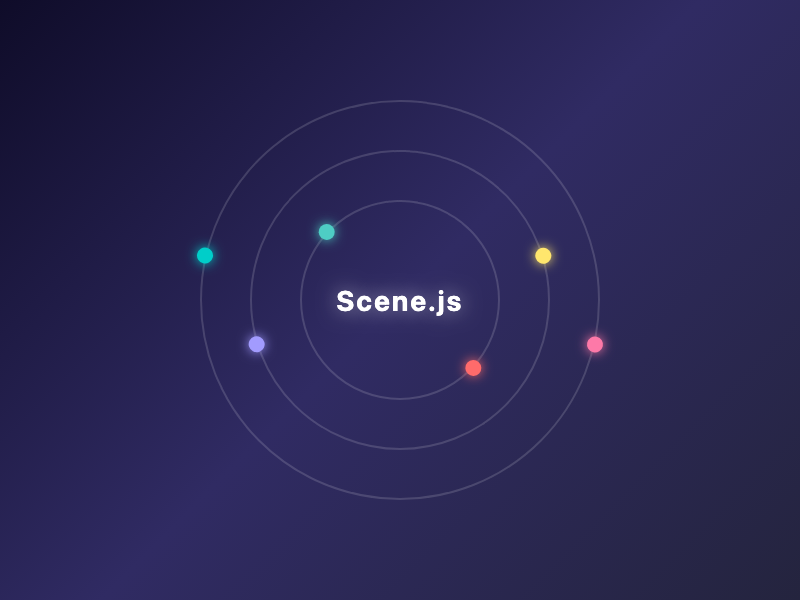
I ran a quick orbital animation to test the timeline composition: six dots on three concentric orbits, staggered entry, alternating direction. The keyframe-per-selector pattern made it straightforward to layer the sequences without a separate orchestration step.
With the online entry point, a visitor can try building a timeline animation here — upload a choreography description or type one in, and see the rendered output. Every run leaves a usage record on the platform, so you get signal on what kinds of animations people actually attempt and where the documentation could sharpen.
Feel free to close if this isn't relevant.
shesonglin@tinkerland.ai
@daybrush
I put together an online entry point for Scene.js so anyone landing on the repo can describe a timeline animation and get a working result without cloning or installing anything.
The API design — keyframe objects keyed by CSS selectors, composable
Sceneinstances you canappendinto a master timeline — is what makes Scene.js feel like an animation sequencer rather than just another tweening library. That choreography model is also what makes it hard to evaluate from a README alone: a visitor needs to see the timing relationships play out, not just read the property syntax.I ran a quick orbital animation to test the timeline composition: six dots on three concentric orbits, staggered entry, alternating direction. The keyframe-per-selector pattern made it straightforward to layer the sequences without a separate orchestration step.
With the online entry point, a visitor can try building a timeline animation here — upload a choreography description or type one in, and see the rendered output. Every run leaves a usage record on the platform, so you get signal on what kinds of animations people actually attempt and where the documentation could sharpen.
Feel free to close if this isn't relevant.
shesonglin@tinkerland.ai