ESP32 classic: Pin mapping #7
Pinned
JanPetterMG
started this conversation in
General

Replies: 1 comment

-
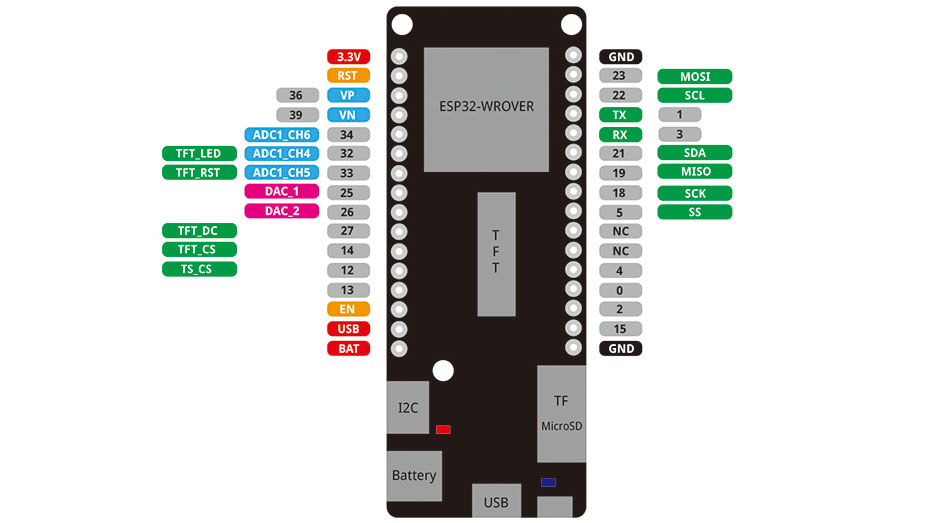
WeMos LOLIN D32 PRO📍 Pinout Diagram// IKEA Frekvens
#define PIN_OE 4 // TF-CS EN
#define PIN_CS 5 // SS LAK
#define PIN_SW1 13 // SW1
#define PIN_SW2 14 // T-CS SW
#define PIN_SCLK 18 // SCK CLK
#define PIN_MOSI 23 // MOSI DA
#define PIN_MIC 34 // A U3 pin 7// IKEA Obegränsad
#define PIN_OE 4 // TF-CS EN
#define PIN_CS 5 // SS CLA
#define PIN_SW2 13 // SW
#define PIN_SCLK 18 // SCK CLK
#define PIN_MOSI 23 // MOSI DI⚡ Power Notes
|
Beta Was this translation helpful? Give feedback.
0 replies
Sign up for free
to join this conversation on GitHub.
Already have an account?
Sign in to comment

Uh oh!
There was an error while loading. Please reload this page.
Uh oh!
There was an error while loading. Please reload this page.
-
🔧 ESP32: Pin Tips & Gotchas
🎉 Feel free to share your insights, questions, or setups below!
💡 This thread is for beginners and experienced users alike. Whether you're figuring out your first build or have clever tricks to share, you're welcome to join in.
⏰ RTC Pins
GPIO 4,13,14,25–39can wake the ESP32 from deep sleep. Useful for:PIN_SW1PIN_SW2PIN_INTfrom a real-time clock🎙️ Analog Input
GPIO 32–39are usable as analog inputs. For example:PIN_LDRfor photocell signalsPIN_MICfor microphone signalsGPIO 0,2,5,12,15have bootstrapping functions. Avoid connecting these to inputs that may float or pull them during boot.📄 Reference
ESP32 Datasheet (PDF)
💬 Add your own:
Feel free to include your SPI, PWM, I2C, or other digital pin setups too—this thread is meant to cover practical pin mapping across different ESP32 boards.
Let’s make this a helpful resource together!
Beta Was this translation helpful? Give feedback.
All reactions